





Furnace installation is an important investment for homeowners looking to maintain a comfortable indoor environment during colder months. Understanding the costs involved and the factors that influence these expenses is essential for making informed decisions. The total cost of installing a furnace varies widely depending on several key elements, including the type of furnace, the size of the home, the complexity of the installation, and the efficiency rating of the unit.
One of the primary factors affecting furnace installation costs is the type of furnace chosen. There are several types available on the market, such as gas, electric, oil, and propane furnaces. Gas furnaces tend to be more common and efficient but might require additional costs if the home doesn’t already have a gas line. Electric furnaces generally have lower upfront costs but can lead to higher operational expenses over time. Oil furnaces may be suitable for certain areas but often come with higher fuel costs. The choice of fuel source influences not only the purchase price but also the installation requirements and ongoing maintenance expenses.
The size and layout of the home also play a significant role in determining the installation cost. Larger homes require furnaces with higher heating capacities, which are ACR Air Conditioning & Refrigeration typically more expensive. Additionally, homes with complex layouts or multiple levels might need more sophisticated ductwork or zoning systems to distribute heat evenly. If the existing ductwork is old or insufficient, replacing or upgrading it can add to the total installation cost. The accessibility of the installation site within the home can affect labor costs as well. For example, installing a furnace in a cramped basement or attic space may require more time and specialized equipment.
Energy efficiency is another critical consideration impacting furnace installation expenses. High-efficiency furnaces often come with higher upfront prices but can provide substantial savings on energy bills over time. These models typically have advanced features such as variable speed blowers and sealed combustion chambers, which improve performance and reduce heat loss. Homeowners should weigh the initial investment against potential long-term benefits when selecting an energy-efficient model.
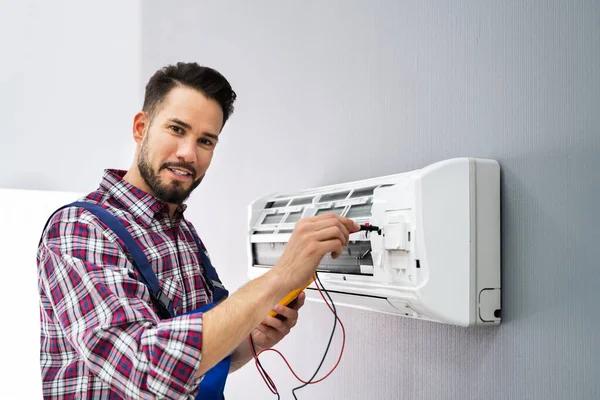
Labor costs are an unavoidable part of furnace installation. Professional installation ensures the system operates safely and efficiently, complying with local building codes and manufacturer guidelines. Labor rates can vary depending on geographic location, installer experience, and the complexity of the job. Obtaining multiple quotes from licensed HVAC contractors helps homeowners understand the market rates and choose a reliable provider.
In summary, the cost of furnace installation depends on the type of furnace, home size, installation complexity, energy efficiency, and labor charges. By considering these factors carefully, homeowners can select a furnace that fits their budget and heating needs while ensuring a smooth and effective installation process.
ACR Air Conditioning & Refrigeration
939 Alexander Ave, Port Orange, FL 32129
386-845-3599