





When it comes to the efficiency of air conditioning systems, two common factors often come under scrutiny: refrigerant levels and airflow. Understanding how each impacts cooling performance is essential for maintaining an effective and energy-efficient system. Refrigerant undercharge occurs when there is less refrigerant in the system than required, which can happen due to leaks or improper charging during installation or servicing. On the other hand, airflow issues arise when there is insufficient movement of air across the evaporator coil, often caused by dirty filters, blocked vents, or malfunctioning fans.
Refrigerant plays a critical role in absorbing heat from indoor air and releasing it outside. When there is an undercharge of refrigerant, explore the full story system cannot absorb as much heat as designed. This results in reduced cooling capacity and increased compressor workload because the unit has to run longer to achieve desired temperatures. Additionally, low refrigerant levels can cause evaporator coils to freeze due to lower pressure and temperature conditions inside the coil. This not only hampers cooling but may also lead to costly repairs if left unaddressed.
Airflow directly influences how effectively cooled air circulates throughout a space and passes over key components like coils. Proper airflow ensures that warm indoor air continually reaches the evaporator coil where heat exchange occurs efficiently. If airflow is restricted by clogged filters or obstructed ducts, less warm air contacts the coil surface, reducing heat transfer efficiency. This limitation forces the system to work harder while delivering uneven cooling distribution within rooms or areas served by the unit.
Comparing these two factors reveals that both have significant but distinct impacts on overall cooling efficiency. Refrigerant undercharge primarily affects thermodynamic processes within the refrigeration cycle itself; without sufficient refrigerant volume and pressure balance, heat absorption decreases substantially regardless of airflow quality. Conversely, poor airflow mainly compromises how well conditioned air moves through living spaces and interacts with internal components but does not inherently change refrigerant properties.
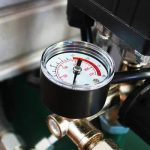
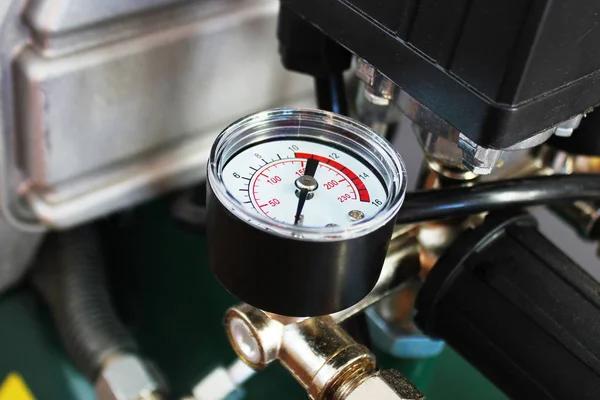
In practical terms, diagnosing whether an HVAC system’s inefficiency stems more from low refrigerant or inadequate airflow requires professional assessment using specialized tools such as pressure gauges for refrigerants and manometers for measuring static pressure related to airflow resistance. Regular maintenance routines should include checking both aspects since neglecting either one can degrade performance significantly over time.
Ultimately, neither factor alone determines cooling effectiveness entirely; instead they operate interdependently within a complex mechanical environment where optimal function depends on balanced refrigerant charge combined with unobstructed proper airflow through all parts of an HVAC system’s circuit. Addressing both ensures maximum comfort while minimizing energy consumption and extending equipment lifespan consistently throughout seasonal use cycles.