





Pressure grouting is an essential technique in construction projects used to improve soil stability, fill voids, and strengthen foundations. This method involves injecting grout-a fluid mixture of cement, water, sand, or chemical additives-under pressure into the ground or existing structures. The success of pressure grouting largely depends on selecting the right equipment tailored to specific project requirements.
At the core of pressure grouting operations is the grout pump, which delivers the grout mixture at controlled pressures and volumes. There are various types of pumps available including piston pumps, progressive cavity pumps, and peristaltic pumps. Piston pumps are widely favored for their ability to generate high pressures necessary for deep injections and tough substrates. Progressive cavity pumps provide a steady flow suitable for viscous grout mixtures while minimizing shear that might alter material properties.
In addition to pumping units, mixing equipment plays a critical role in ensuring uniform consistency of the grout before injection. Proper mixing prevents clogging during pumping and guarantees effective penetration into soil pores or cracks within concrete structures. High-shear mixers or paddle agitators are commonly employed depending on batch size and mix complexity.
The delivery system typically includes hoses made from durable materials such as rubber or polyurethane capable of withstanding abrasive slurries under high pressure. Couplings and valves must be robust enough to maintain secure connections without leakage throughout operation.
Monitoring devices enhance control over grouting parameters by measuring injection pressure, volume injected, flow rate, and sometimes temperature. These data points help operators adjust settings in real-time to optimize performance and avoid potential issues like fracturing surrounding formations unintentionally.
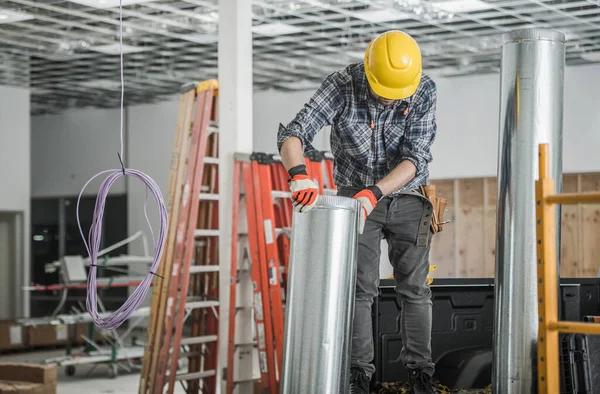
Safety considerations are paramount when working with pressure grouting equipment due to risks associated with high-pressure fluids and heavy machinery operation. Operators should wear appropriate personal protective equipment (PPE) including gloves, eye protection, helmets, and hearing protection if noise levels are significant. Regular maintenance checks on all components reduce chances of failure that could lead to hazardous spills or accidents onsite.
Modern advancements have introduced automated systems integrated with digital controls allowing precise regulation based on pre-programmed parameters tailored for specific soil conditions or structural requirements. Some setups include remote monitoring capabilities enabling supervisors to oversee multiple sites simultaneously improving efficiency across large scale construction endeavors.
Choosing suitable pressure grouting equipment requires careful assessment of project scale, ground conditions (such as permeability), type of structure involved (e.g., tunnels versus building foundations), desired depth of injection, expected grout characteristics (cementitious vs chemical), accessibility constraints onsite along with budget considerations.
In conclusion, understanding different components-from pumps through mixers to delivery hardware-and how they interact enables engineers and contractors to implement effective pressure grouting solutions that enhance structural integrity while minimizing environmental impact during construction projects.