





When your air conditioning system stops cooling, it can be frustrating and uncomfortable, especially during hot weather. Understanding whether the issue stems from an electrical fault or a broader HVAC problem can help you communicate effectively with our team and get the right solution quickly. Knowing the difference between these issues also helps you avoid unnecessary expenses and ensures your AC is repaired promptly and correctly.
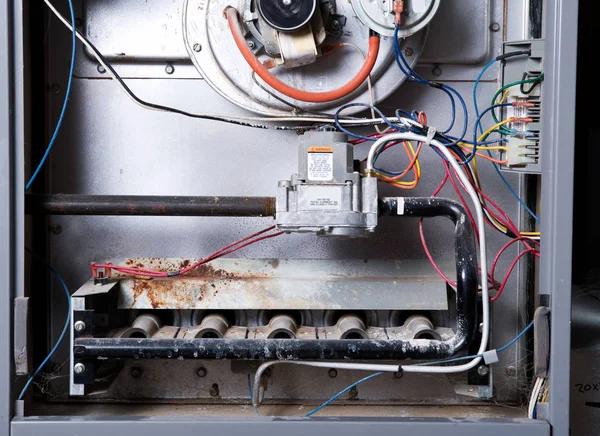
Electrical faults in your air conditioning system often manifest in specific ways. One common sign is when the AC unit does not turn on at all, or it turns on but then shuts off abruptly. Flickering lights, tripped breakers, or a burning smell near the unit can also indicate electrical problems. These issues are typically related to wiring faults, blown fuses, or problems with the capacitor, contactor, or thermostat wiring. Such faults can prevent the compressor or fan motor from running, which stops the system from cooling your space effectively.
On the other hand, HVAC problems that cause your AC to stop cooling may involve mechanical components or refrigerant issues. For example, if your AC runs but doesn’t blow cold air, it could be due to low refrigerant levels, a clogged air filter, dirty coils, or a malfunctioning compressor. These issues are more related to the HVAC system’s cooling cycle rather than electrical supply. You might notice reduced airflow, strange noises from the unit, or ice forming on the evaporator coil, which are clear indicators of HVAC-related problems.
When you speak with our team, providing detailed descriptions of what you observe can help us diagnose the problem accurately. Mention whether the unit powers on, any unusual sounds, odors, or visible signs like ice buildup or water leaks. If you have noticed your circuit breaker tripping or lights flickering when you turn on the AC, this information points towards electrical faults. Conversely, if the system is running but not cooling properly, it suggests an HVAC issue that requires a different approach.
Our experienced technicians are trained to distinguish between electrical and HVAC faults quickly. We use specialized tools to check voltage, current, and component functionality, as well as to inspect refrigerant levels and airflow. This thorough diagnostic process ensures that we address the root cause of your AC’s cooling failure, whether it’s an electrical repair or an HVAC maintenance task.
In summary, identifying whether your air conditioner’s cooling problem is electrical or HVAC-related is essential for timely and effective repairs. By speaking clearly with our team and describing your observations, you help us provide the best service possible. Don’t hesitate to contact us whenever your AC stops cooling; our professionals are ready to assist you in restoring comfort to your home or business swiftly and reliably.