



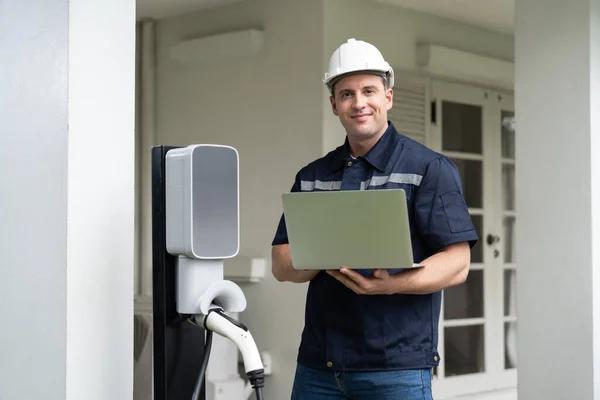
Electric vehicle (EV) ownership is rapidly increasing as more people prioritize sustainability and seek alternatives to traditional gasoline-powered cars. A key aspect of owning an EV is having convenient access to charging infrastructure, which often means installing an EV charger at home. Understanding the costs and requirements of EV charger installation is essential for potential EV owners to make informed decisions and ensure a smooth charging experience.
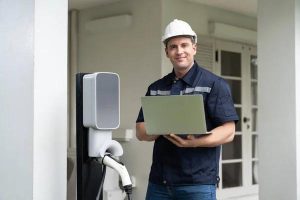
The primary factor influencing the cost of EV charger installation is the type of charger selected. There are mainly two types of chargers: Level 1 and Level 2. Level 1 chargers use a standard household outlet and typically do not require professional installation, but their charging speed is slow, often adding only 3 to 5 miles of range per hour. Level 2 chargers provide faster charging, adding 15 to 30 miles of range per hour, but they require a dedicated 240-volt circuit and professional installation. The cost of a Level 2 charger unit can range from $400 to $700, while installation expenses vary depending on your home’s electrical system and distance from the main panel.
EV Charger Installation Colorado Springs
Installation requirements include evaluating your home’s electrical capacity. An electrician will assess whether your electrical panel can handle the additional load of a Level 2 charger or if an upgrade is necessary. Panel upgrades can add $1,000 to $3,000 to the more information here overall installation cost. Other factors that can impact the cost include the complexity of running wiring and installing the charger in a garage, driveway, or outdoor location. For instance, longer cable runs or installation in hard-to-reach areas may require additional materials and labor.
Permits and inspections are another important consideration. Local regulations often require permits for EV charger installation to ensure safety and compliance with electrical codes. Permit fees vary by jurisdiction but typically range from $50 to $200. After installation, an inspection may be required to confirm that the charger has been installed correctly and safely. It is crucial to work with a licensed electrician familiar with local regulations to avoid delays or additional costs.
In addition to upfront costs, potential EV owners should consider available incentives and rebates. Many states and utility companies offer financial incentives to reduce the cost of EV charger installation. These incentives can significantly offset installation expenses, making the investment more affordable. Checking websites such as the U.S. Department of Energy’s Alternative Fuels Data Center or local utility providers can provide up-to-date information about available rebates.
In conclusion, installing an EV charger at home involves several costs and requirements that vary based on the charger type, electrical capacity, installation complexity, and local regulations. Understanding these factors allows EV owners to plan their installation effectively and enjoy the convenience of at-home charging. Considering incentives and working with qualified professionals can help ensure a cost-effective and compliant installation process.
Z-Electric LLC
Colorado Springs, CO 80925
719-663-8783