








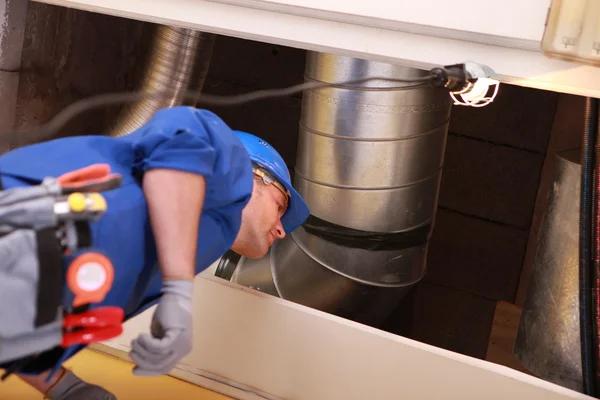
When faced with a malfunctioning HVAC system, homeowners are often confronted with the decision of whether to repair or replace it. This choice can be daunting, both financially and logistically. An HVAC contractor plays a crucial role in guiding this decision-making process by assessing the condition of the system and recommending the most suitable course of action. Several factors influence an HVAC contractor’s recommendation to opt for repair over replacement.
Firstly, the age of the existing unit is a significant consideration. Most HVAC systems have an average lifespan of 15-20 years. If a system is relatively young and has been well-maintained, contractors may lean towards recommending repairs rather than replacement. A younger system might only require minor fixes or part replacements to restore its functionality, making repairs more cost-effective.
The extent and nature of the problem also play pivotal roles in this decision. Contractors assess whether the issue is isolated or indicative of systemic failure. For instance, if there’s a minor leak or electrical fault that can be easily fixed without compromising overall efficiency, repairing makes more sense than replacing an entire unit.
Cost analysis is another critical factor influencing recommendations for repair over replacement. Contractors evaluate repair costs against potential savings from improved browse website efficiency after installing a new unit. If repairs are significantly cheaper and expected to extend the life of an HVAC system by several years without recurring issues, they will likely suggest fixing it as opposed to investing in new equipment.
Energy efficiency considerations come into play as well when deciding between repair and replacement options. If repairing certain components can restore energy efficiency levels close to those offered by newer models without incurring high expenses associated with full-scale replacements—such as ductwork modifications—contractors would typically recommend repairs instead.
Moreover, environmental concerns may lead contractors toward suggesting repairs whenever feasible since extending equipment life reduces waste generation compared with disposing old units prematurely due solely based upon perceived obsolescence rather than actual need.
Finally yet importantly: customer preference matters greatly too! Some clients prefer maintaining familiarity through continued usage existing setups while avoiding disruptions caused during installations; thus opting towards maintaining current infrastructure via necessary interventions until absolutely unavoidable circumstances arise necessitating complete overhaul altogether (e.g., irreparable damage beyond economical restoration).
In summary: skilled professionals consider various aspects before advising customers regarding optimal solutions addressing specific situations encountered within context their unique requirements/preferences ensuring best possible outcomes achieved balancing practicality alongside fiscal responsibility throughout entire process involved determining appropriate path forward given constraints present at time consultation takes place thereby ensuring satisfaction all parties concerned ultimately realized end result desired attained successfully!